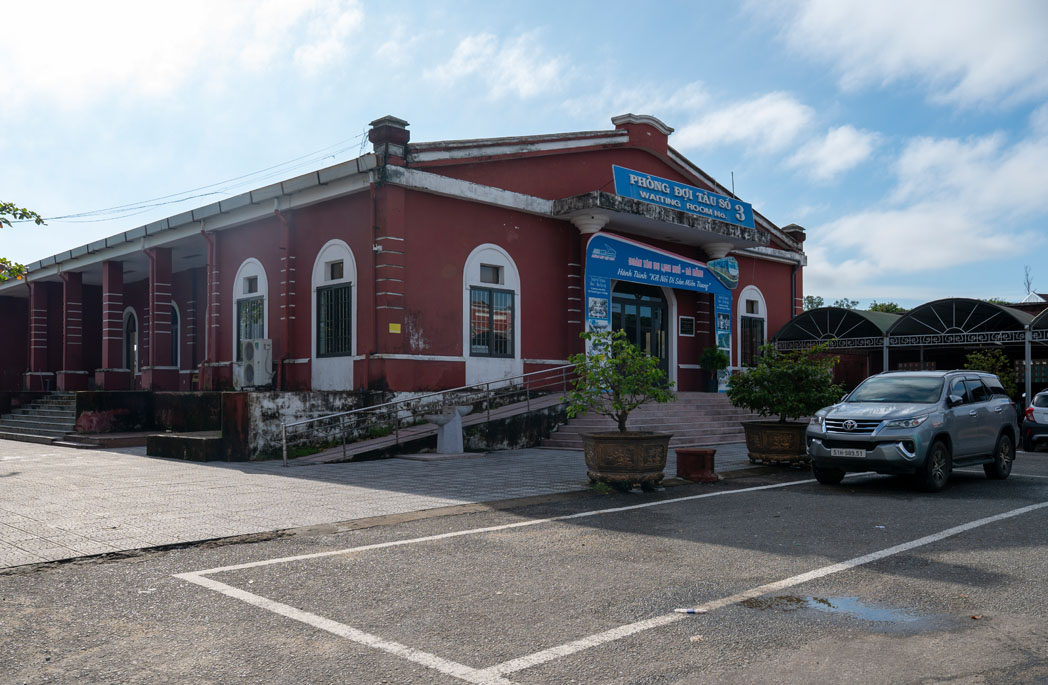
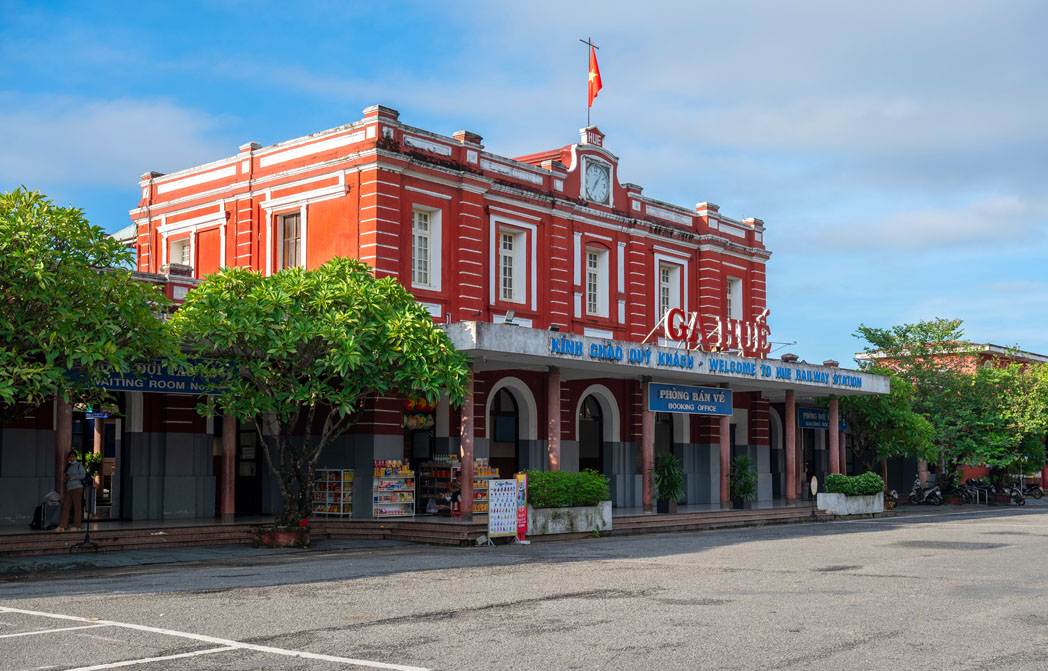
Built in 1908, Hue Railway Station is one of the oldest railway stations in Vietnam, developed alongside the Trans-Vietnam railway, which was constructed by the French in the early 20th century. Featuring distinctive French colonial architecture, the station is designed with a sense of balance and harmony that blends seamlessly into Hue’s urban landscape, a city often described as a “living museum” of architectural heritage.
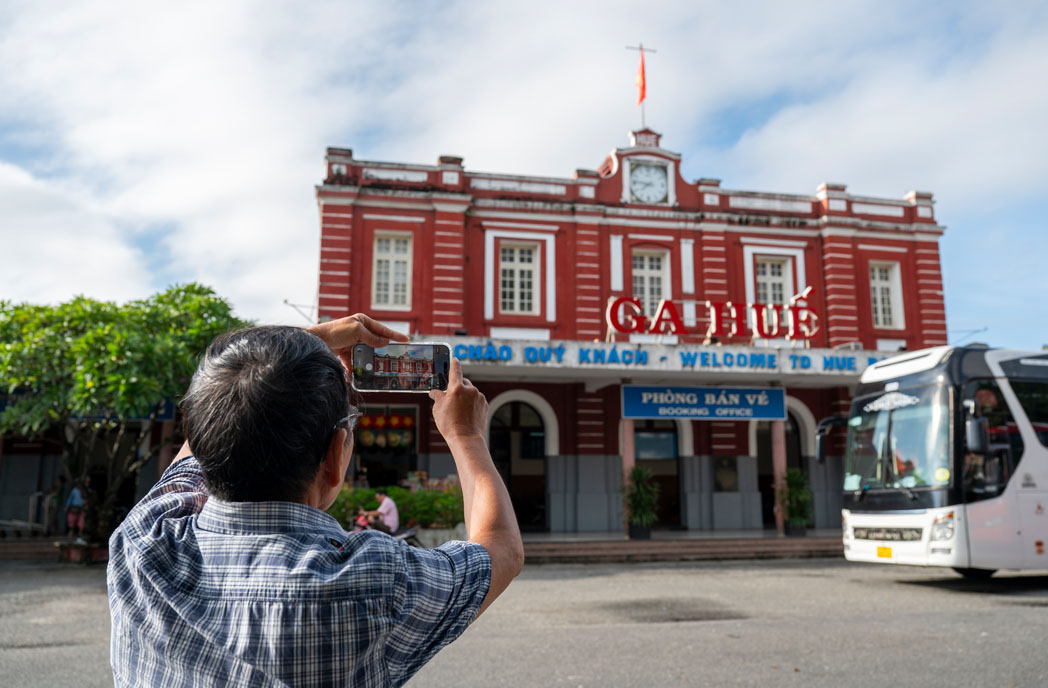
Seen from afar, Hue Railway Station stands out with its stylised arched doorways shaped like train carriages, a characteristic element of early railway stations in Vietnam. Its light red façade evokes the elegance of early 20th-century European architecture.
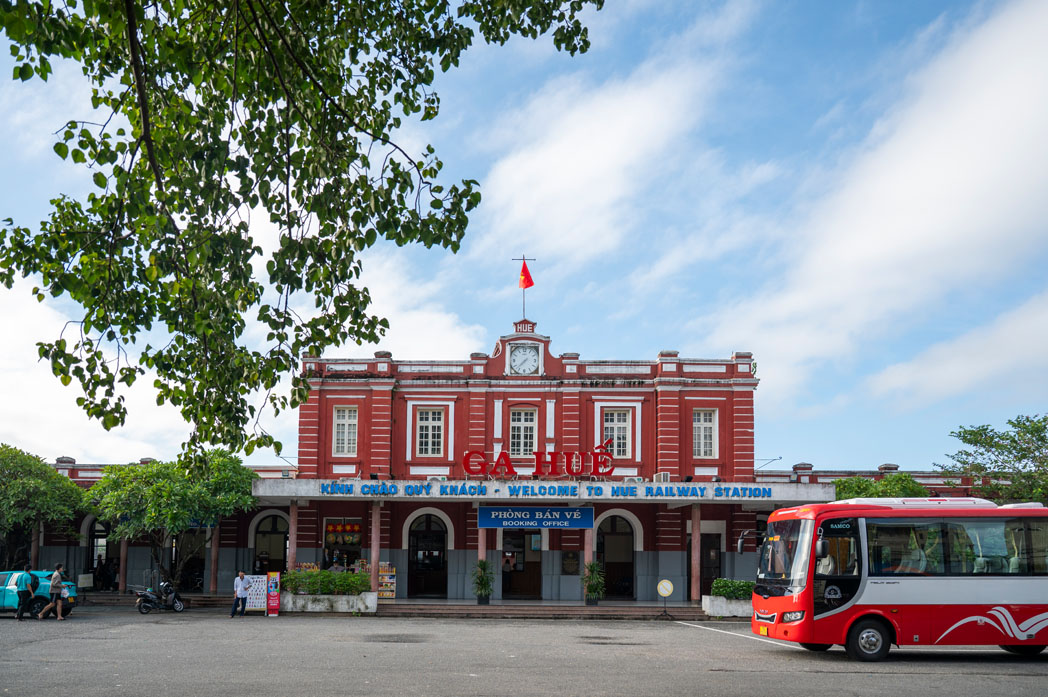
Over more than a century of formation and development, Hue Railway Station has served not only as a departure point and stopover for hundreds of thousands of domestic and international travelers, but also as a vital link along Vietnam’s North–South railway line. From here, passengers can easily travel to Hanoi or Ho Chi Minh City, as well as connect with other heritage destinations in the central region such as Da Nang, Hoi An, and Quang Tri.
Through its role as a key transportation hub, Hue Railway Station has made an important contribution to the promotion of tourism, trade, and the overall image of Hue City.
A “Witness” of French Architecture in the Heart of the Ancient Capital
According to Decision No. 1152/QD-UBND dated May 30, 2018, issued by the People's Committee of Thua Thien Hue Province (now Hue City), Hue Railway Station is included among the 27 representative French architectural works in the area. Alongside well-known landmarks such as Quoc Hoc High School, Hue Central Hospital, and Phu Cam Church, the station is regarded as a vivid symbol of East–West fusion in Hue’s urban architectural landscape.
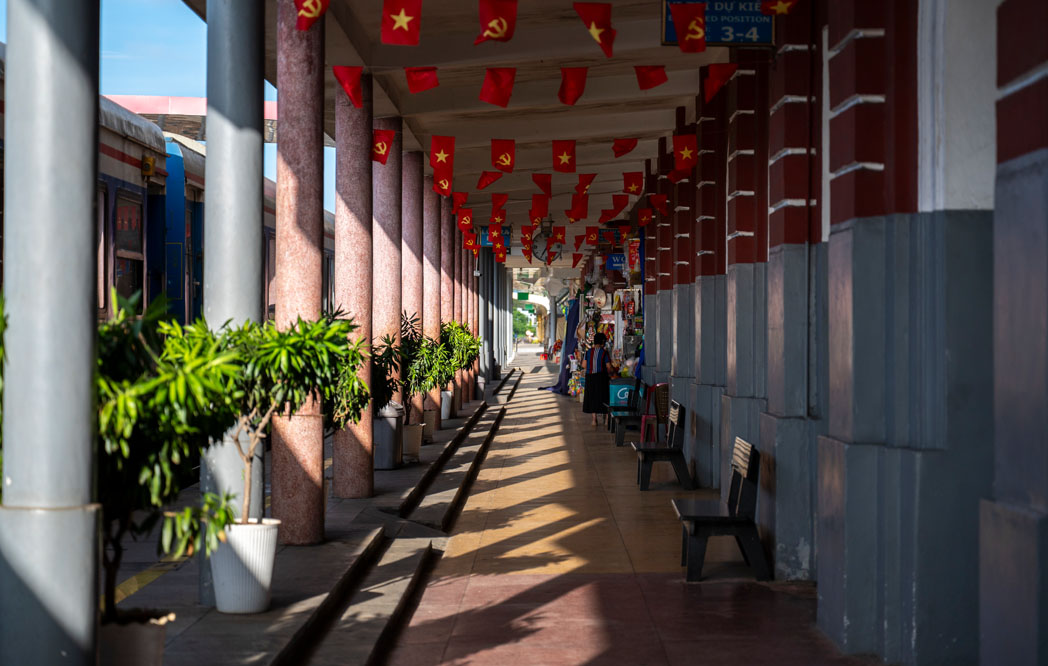
In designing the Station, French architects skillfully combined a simplified Gothic style with features adapted to the local climate. Large windows were thoughtfully arranged to maximize natural light and ventilation, while wide canopies help protect against sunshine and rain, creating a comfortable environment for passengers. Inside, the space evokes a cosy sense, with rows of wooden benches and electronic information boards interspersed with signage retaining classic typography.
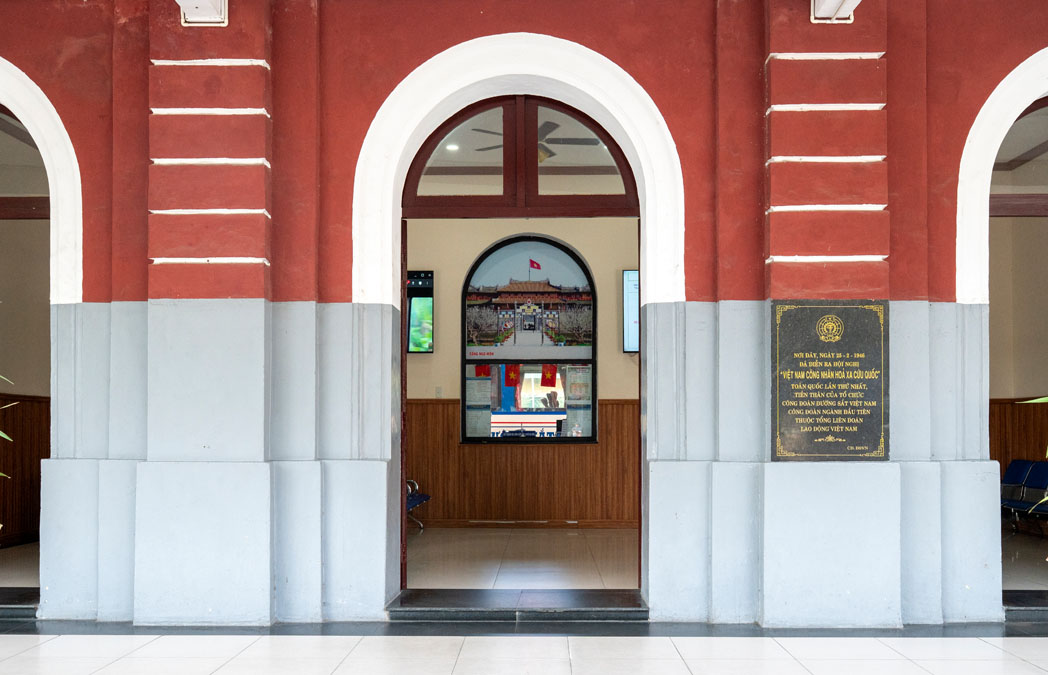
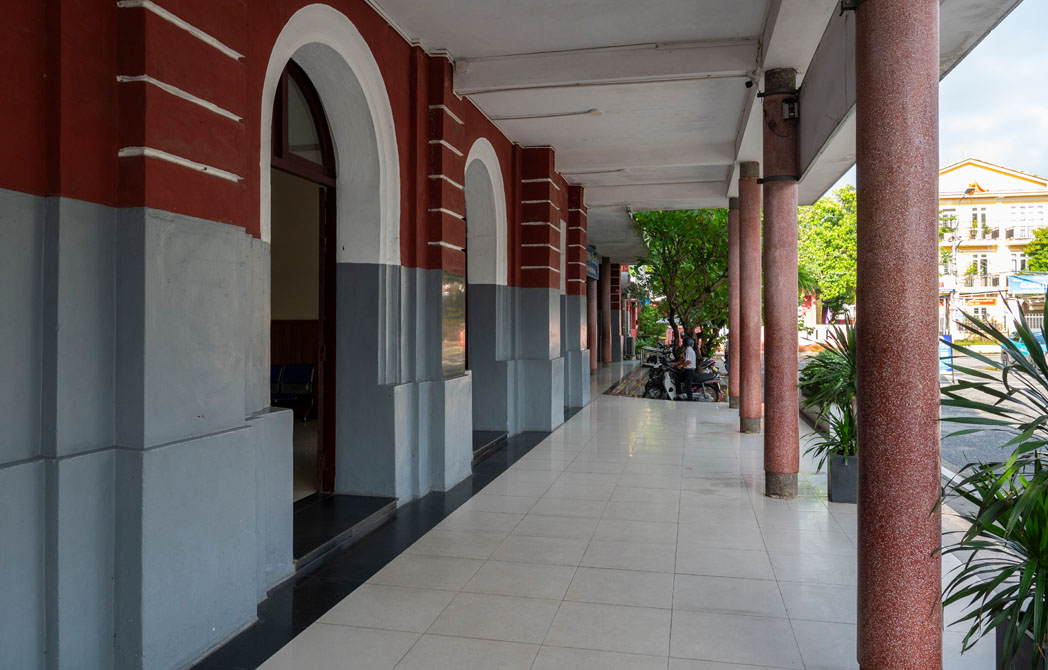
It is this subtle harmony that has made Hue Railway Station a popular check-in destination for young travellers, photographers drawn to classical beauty, and those who cherish memories of old Hue.
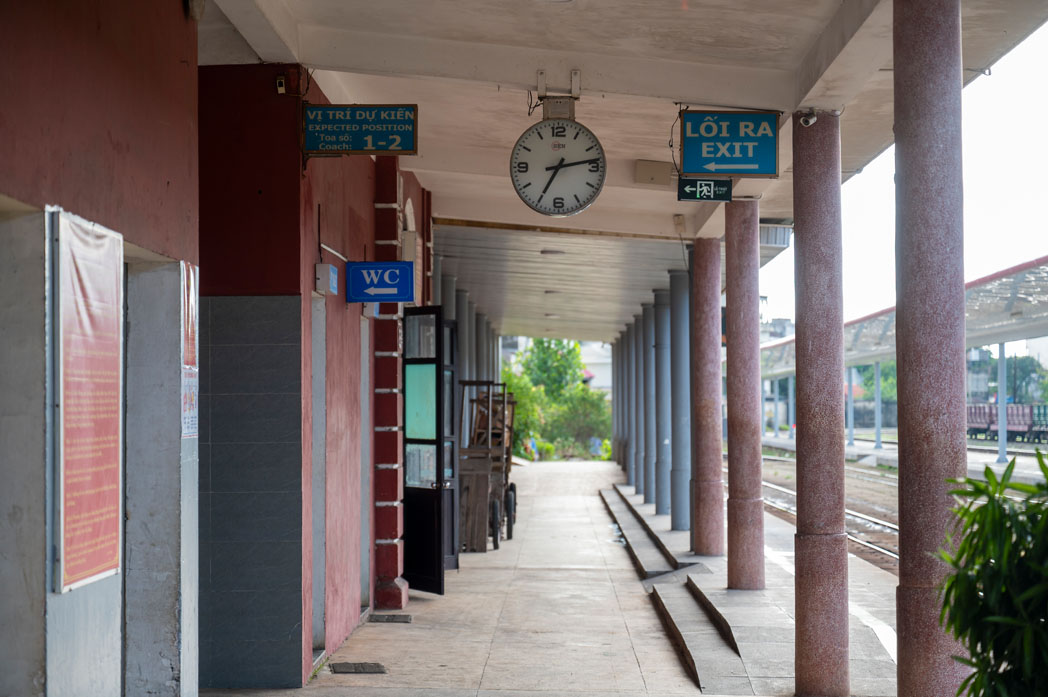
A New Tourism and Cultural Space of Hue City
In recent years, in line with the growing trend of experience tourism and heritage tourism, Hue Railway Station has undergone renovation and landscape improvements, with enhanced environmental hygiene and the planting of additional trees to create a welcoming and close space. Visitor amenities, including information counters, rest areas, and luggage support services, have been comprehensively upgraded to better serve travellers.

The Department of Tourism of Hue City has positioned Hue Railway Station as a space where transportation, culture, and tourism converge, where visitors do not merely pass through but pause to experience and explore. From the station, travellers can easily access iconic attractions such as the Imperial City, Thien Mu Pagoda, Truong Tien Bridge, Bao Vinh Ancient Town, and the poetic Hương River.
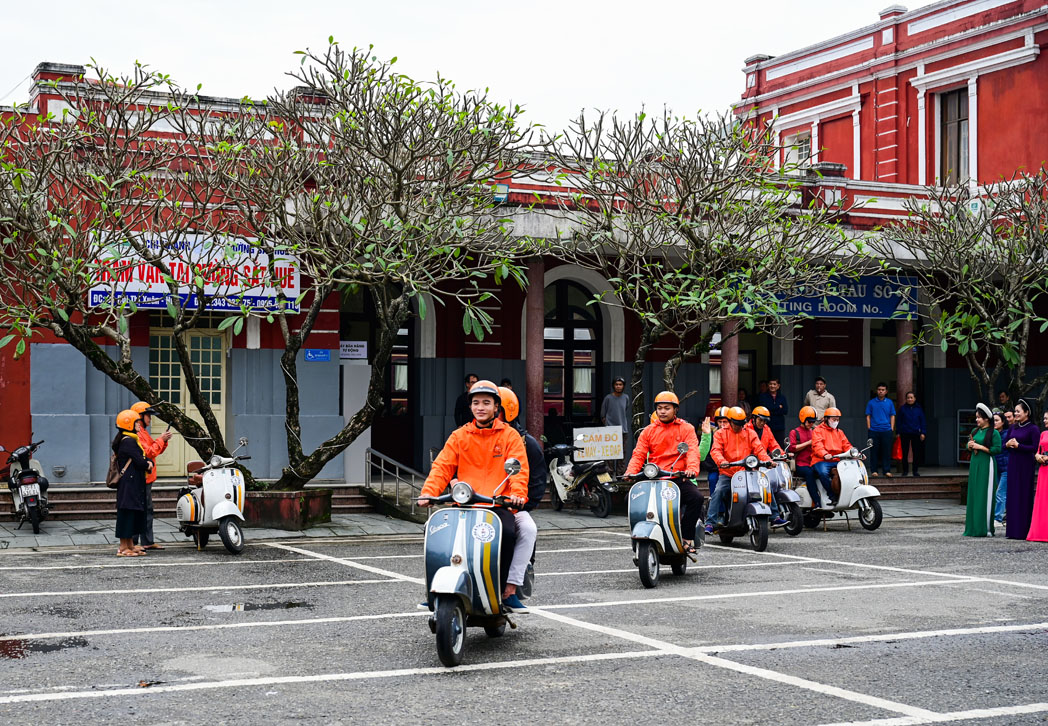
One of the most outstanding tourism products today is the Hue–Da Nang tourist train, “Central Heritage Connection Train”, which offers passengers a memorable experience along Hai Van Pass, one of the most scenic coastal railway routes in Vietnam. From their seats, passengers can admire sweeping views of the turquoise waters of Lang Co Beach, the majestic peaks of Hai Van Pass, and the dramatic transitions of the Central region’s natural landscapes. More than a means of transportation, this train route symbolises a vital heritage connection between Hue, Da Nang, and Hoi An. It also represents a new direction in the development of high-quality railway tourism, helping to diversify tourism offerings and extend the length of visitors’ stays in Hue.
Recognition as a Tourist Attraction - A Stepping Stone Toward Sustainable Development
The official recognition of Hue Railway Station as a tourist attraction holds significant importance in the city’s tourism development strategy. It serves not only as a legal foundation for conservation and restoration efforts, but also as a driving force for promoting tourism and service activities closely linked to the ancient urban heritage. The Department of Tourism is currently coordinating with relevant authorities and travel agencies to develop a thematic tourism product titled “Journey Through the Ancient Railway Stations of the Central Region,” in which Hue Railway Station will play a central role.
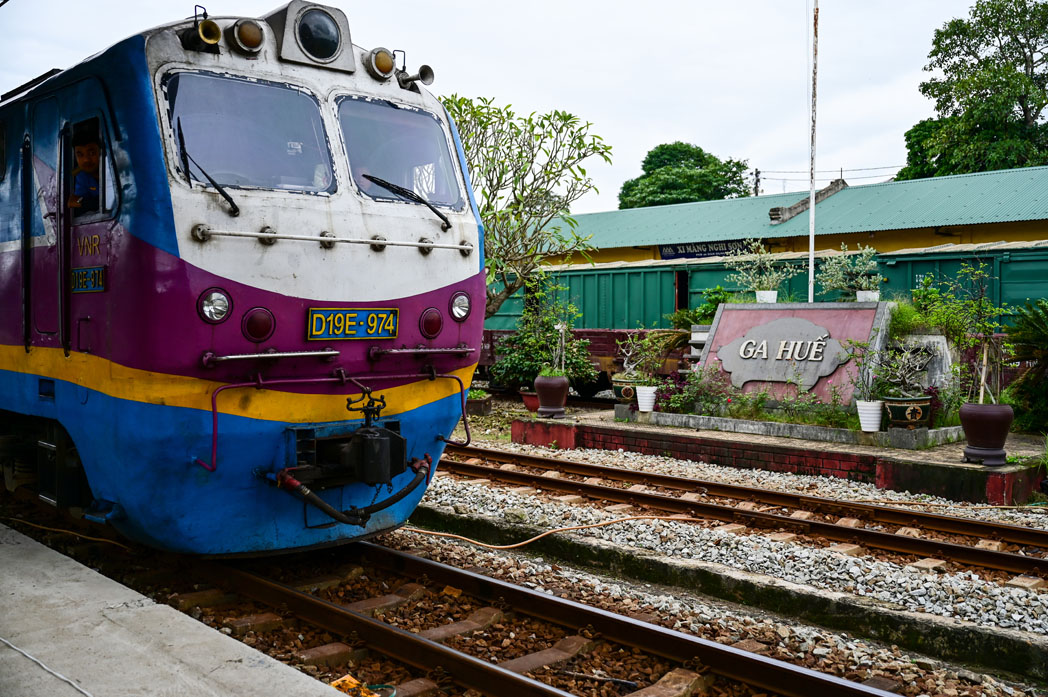
Amid the fast pace of modern life, Hue Railway Station still preserves its quiet, timeworn character, attracting those who seek a slower rhythm and wish to experience the spirit of Hue — gentle, profound, and full of nostalgia.
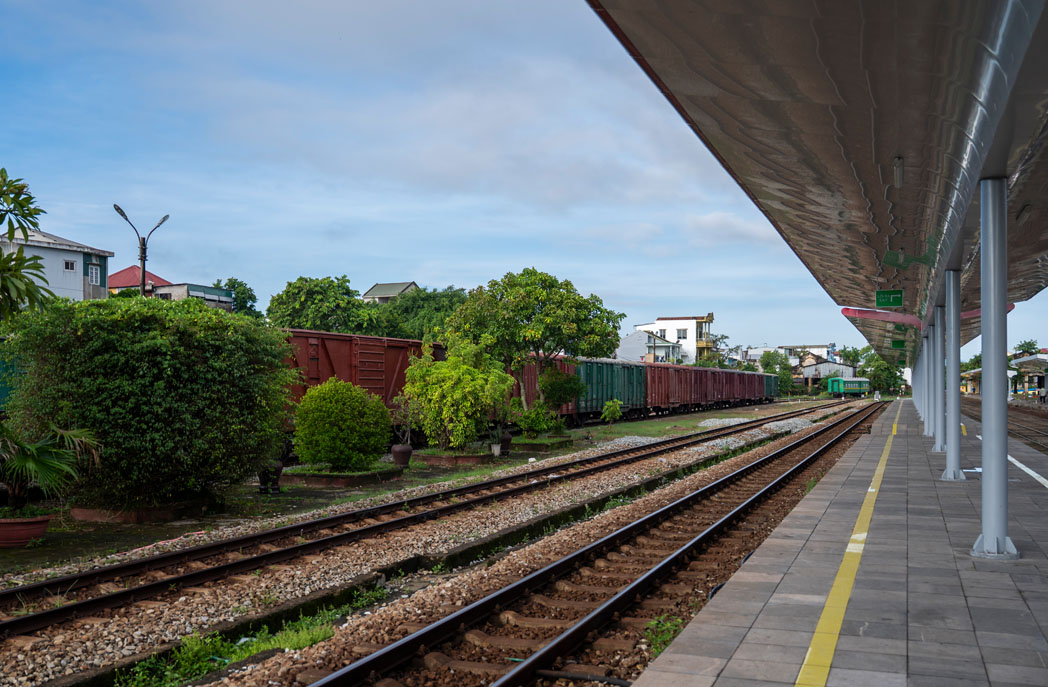
Originally built as a transportation facility under French colonial rule more than a century ago, Hue Railway Station has today evolved into an open cultural space, which is a meeting point for people, history, and living heritage. Its recognition as a tourist destination not only affirms its architectural and historical values but also reflects the city’s strong commitment to developing tourism in harmony with conservation, moving toward a vision of Hue as a friendly, creative, and heritage-oriented city.









 Tin liên quan


)