The Gia Long mausoleum construction process lasted for six years, from 1814 to 1820. It began after the death of Empress Thừa Thiên, King Gia Long's first wife, on February 21, 1814. The king appointed court officials from “Khâm Thiên Giám” (The Imperial Astronomical Bureau and Board of Mathematics) to find a suitable burial site for his wife. Over time, the tomb area has expanded and now encompasses a circumference of 11,234.40 meters (according to documents by L. Cadière). The complex includes the following tombs:
- Quang Hưng Tomb of Queen Từ Tiên Hiếu Triết, who is the second wife of "Lord Hiền" Nguyễn Phúc Tần (1620-1687) and mother of "Lord Nghĩa" Nguyễn Phúc Thái.
- Vĩnh Mậu Tomb of Queen Hiếu Nghĩa, who is the wife of "Lord Nghĩa" Nguyễn Phúc Thái (1650-1725).
- Trường Phong Tomb of "Lord Minh" Nguyễn Phúc Chú (Nguyễn Phúc Thụ) (1697-1738).
- Thoại Thánh Tomb of Empress Dowager Ý Tĩnh (1738-1811), who is the second wife of Lord Nguyễn Phúc Côn (Luân) and mother of King Gia Long.
- Hoàng Cô Tomb of Princess Long Thành, the biological elder sister of King Gia Long.
- Thiên Thọ Tomb of King Gia Long and his wife (Empress Thừa Thiên).
- Thiên Thọ Hữu Tomb of Empress Thuận Thiên, who is the second wife of King Gia Long, and mother of King Minh Mạng.
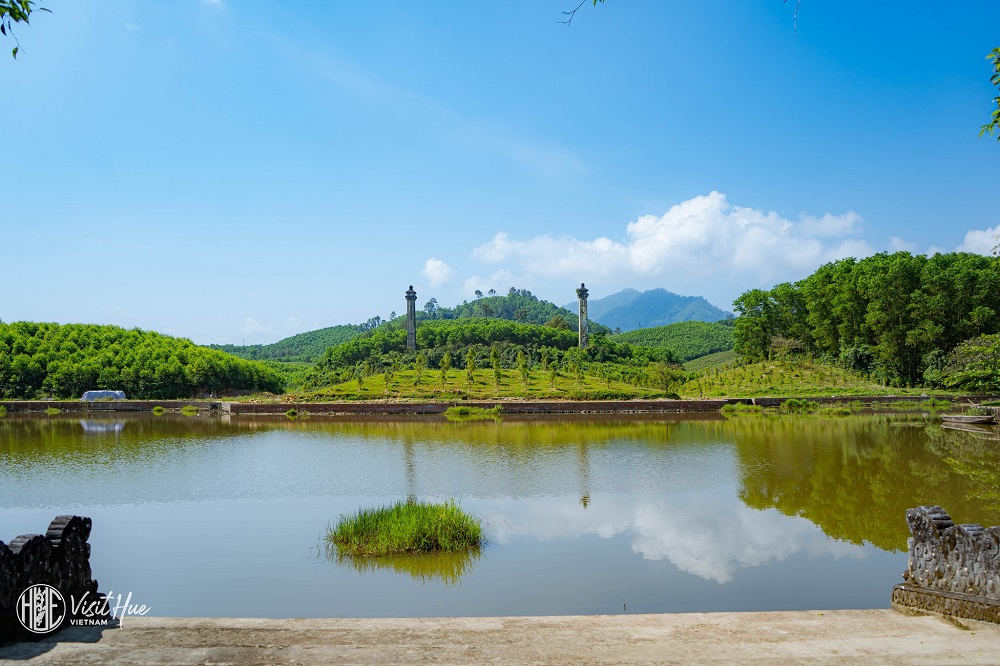
This entire mausoleum complex is situated in a mountainous area with 42 hills and mountains, each with its name. The largest mountain, Đại Thiên Thọ, serves as the forecourt of the mausoleum and gives its name to the entire complex, known as Thiên Thọ Sơn (Thien Tho Mountain). Spanning over 28 square kilometers, the complex extends from the Trương Sơn Range to the banks of the Tả Trạch River (a tributary of the Hương River), where it creates a magnificent landscape. King Gia Long himself personally surveyed, selected the location, planned the layout, and supervised the construction. The land was believed to possess positive energy and was discovered by Lê Qúy Kiệt, a geography teacher and the son of renowned scientist Lê Qúy Đôn. It was said to be a place where good influences radiated from many mountains and hills and where this positive energy would endure for ten thousand years.
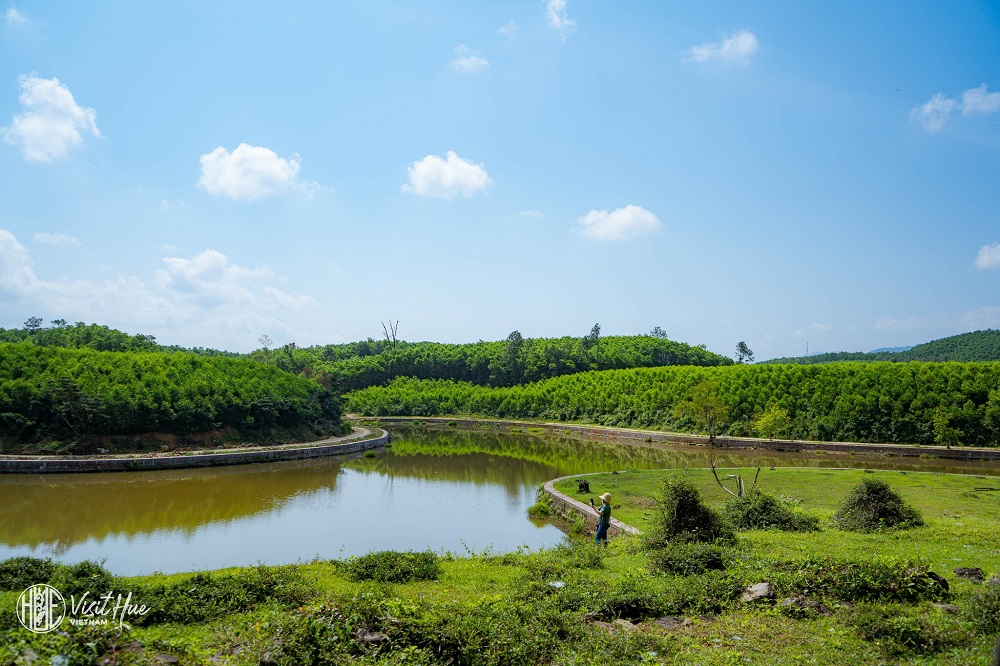
The King Gia Long Tomb is situated on a large flat hill. Đại Thiên Thọ mountain in front acts as protection and seven mountains serve as support behind the tomb. On both the left and right sides of the tomb, there are 14 mountains each side, symbolizing the feng shui “left blue dragon, right white tiger” (Tả Thanh Long, Hữu Bạch Hổ). The overall tomb is divided into three areas:
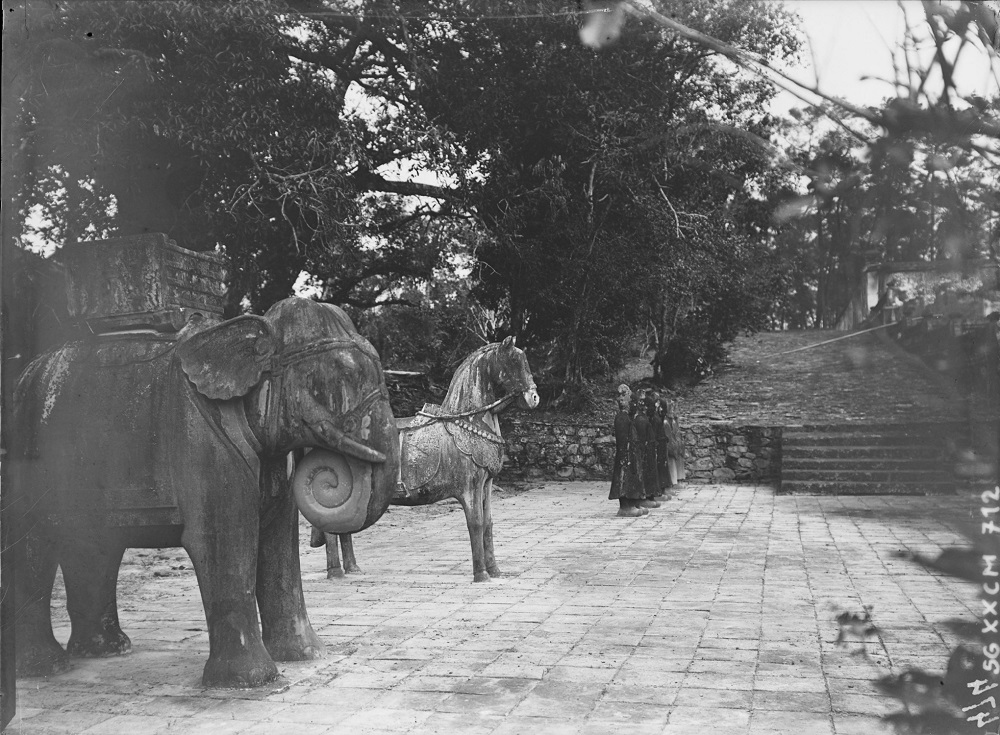
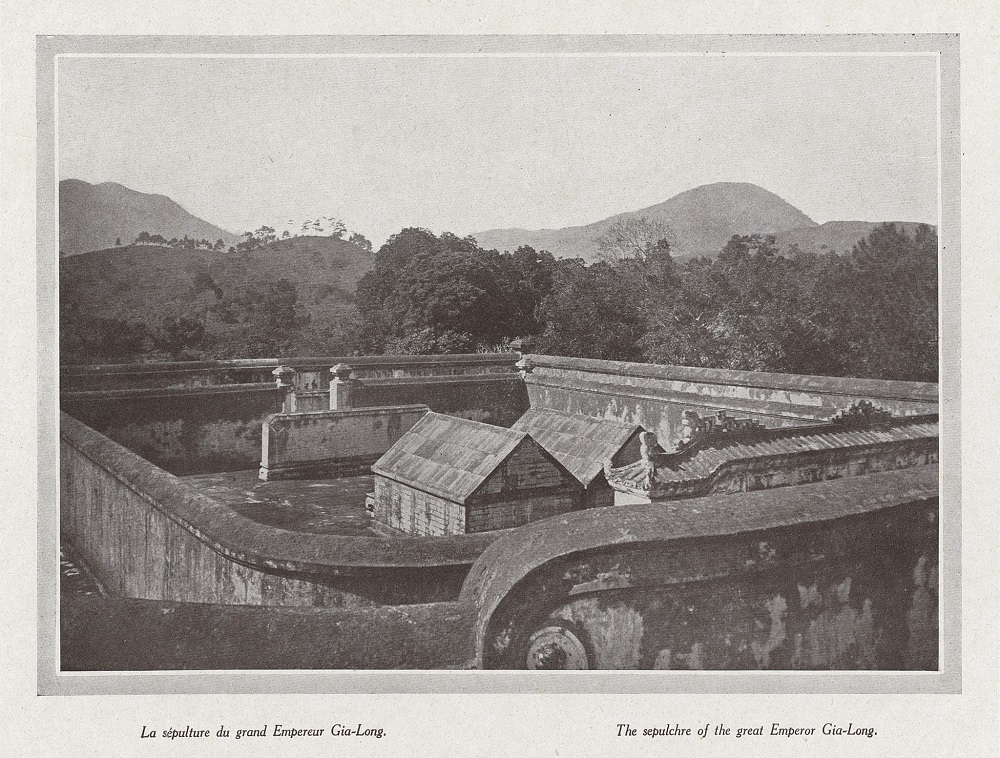
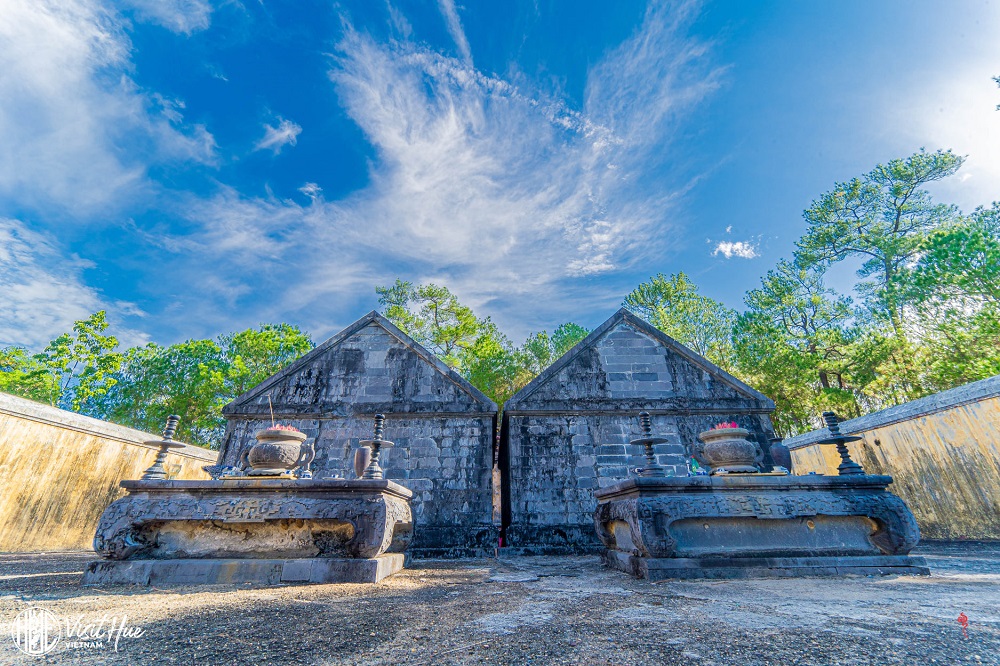
The middle part is where the tomb of King Gia Long and Empress Thừa Thiên are located. After passing through the adoration yard adorned with majestic stone statues and seven consecutive courtyards, one will see the Bửu Thành (a solid wall system) at the top of the hill. Buu Thanh has three walls surrounding the tombs to protect the Emperor and the Empress rest in peace. Two stone tombs inside Bửu Thành represent the concept of "Càn Khôn hiệp đức" (virtue is matched by heaven and earth), symbolizing happiness and faithfulness.
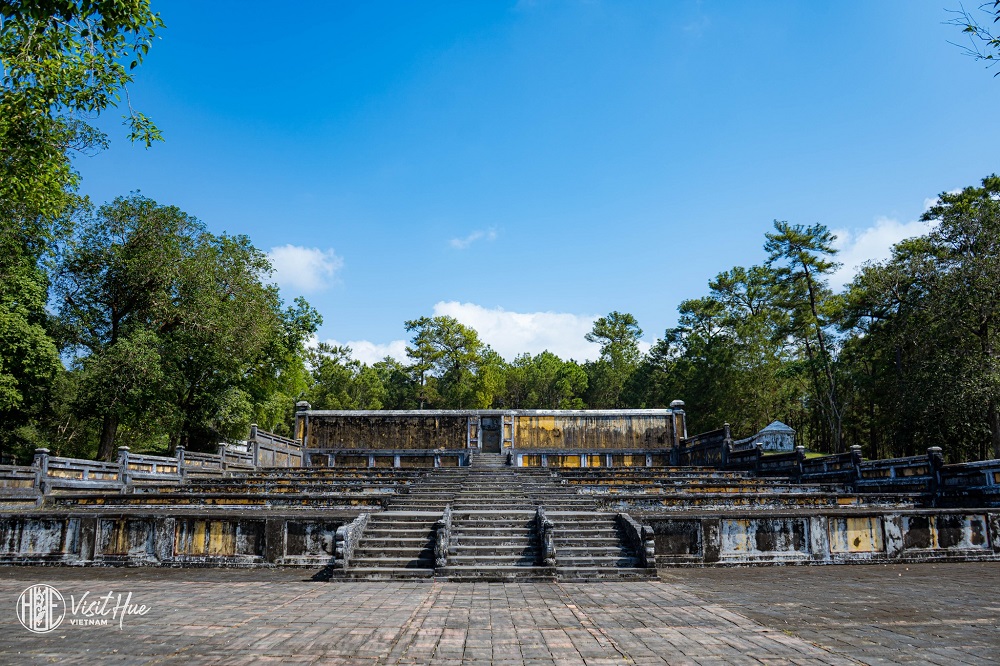
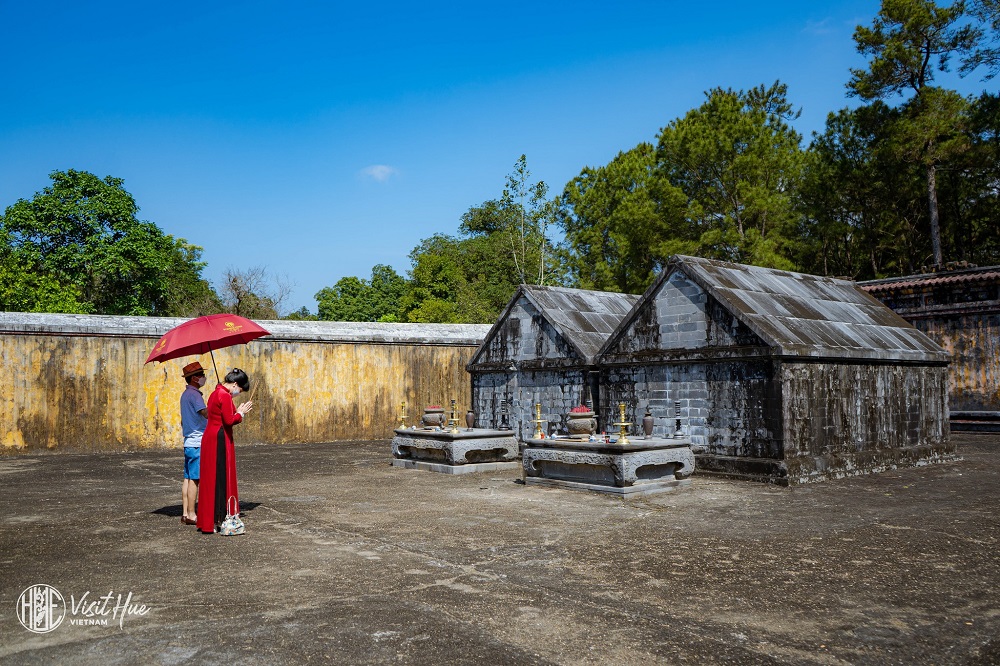
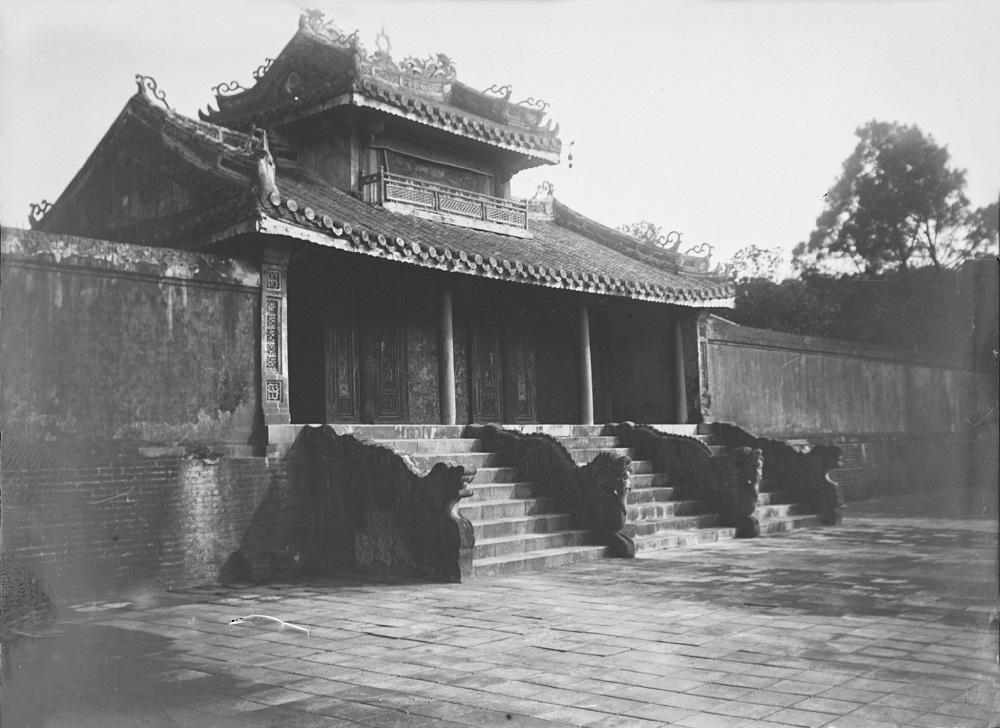
To the right of the mausoleum is Minh Thành Palace, which is used to worship the Emperor and the first Empress. Minh Thành means "brilliant perfection" and the alternative interpretation is "completed by tomorrow". The reason for the second meaning is that two sides of the palace have not yet been lacquered with vermilion painted and gilded wood panels as well the carvings are still simple. In addition, the palace roof is covered with lapis lazuli tiles and is decorated with dragons, and carp turning into dragons. The presence of memorabilia within Minh Thành Palace, including items associated with King Gia Long's war life such as belt scales, hats, and saddles, suggests that the palace serves as a repository for historical artifacts.
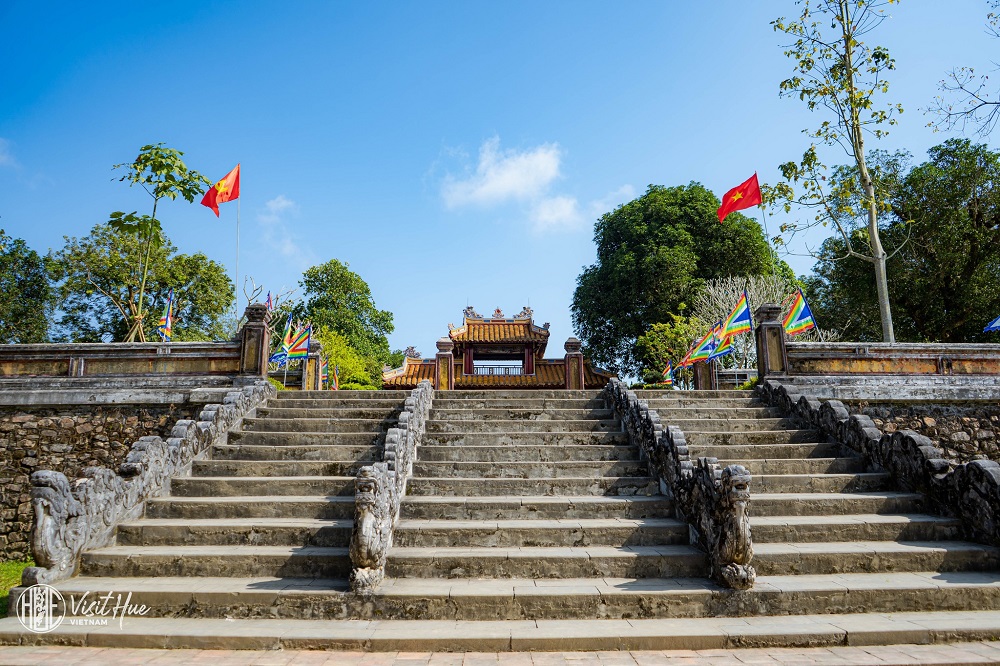
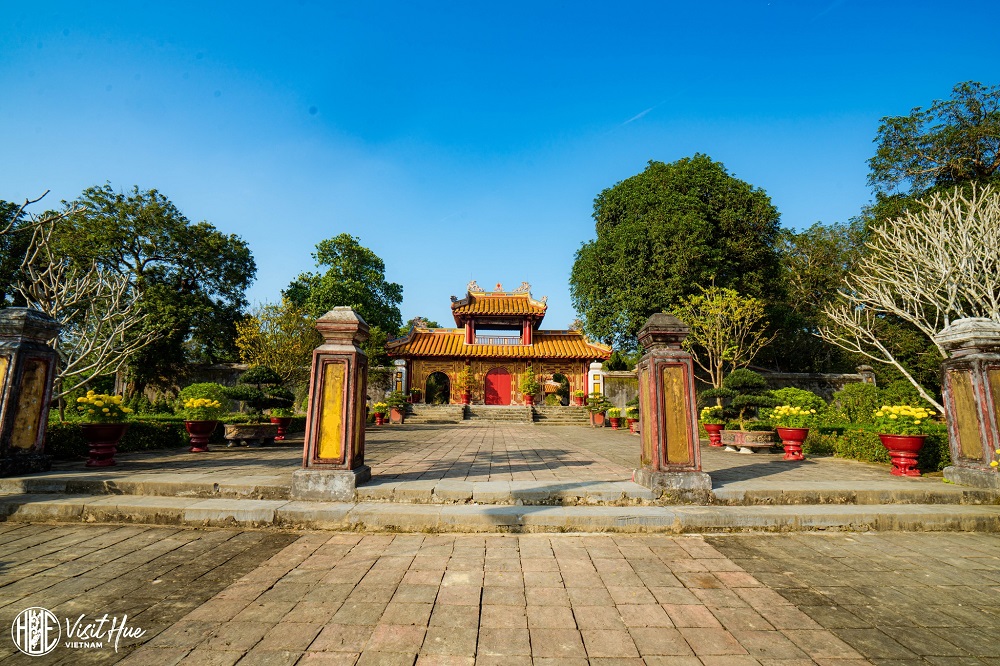
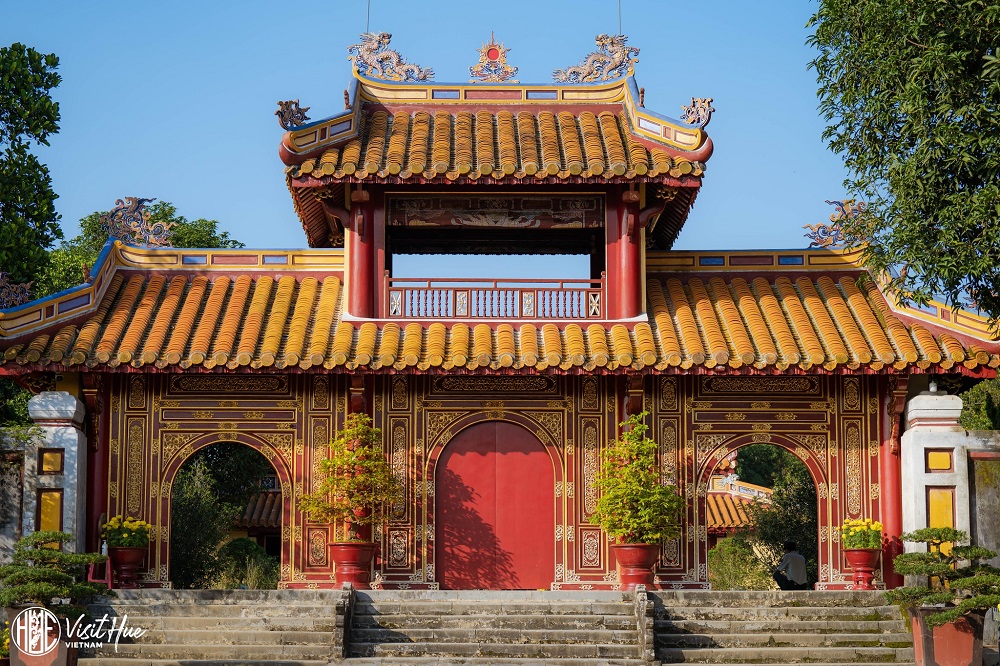
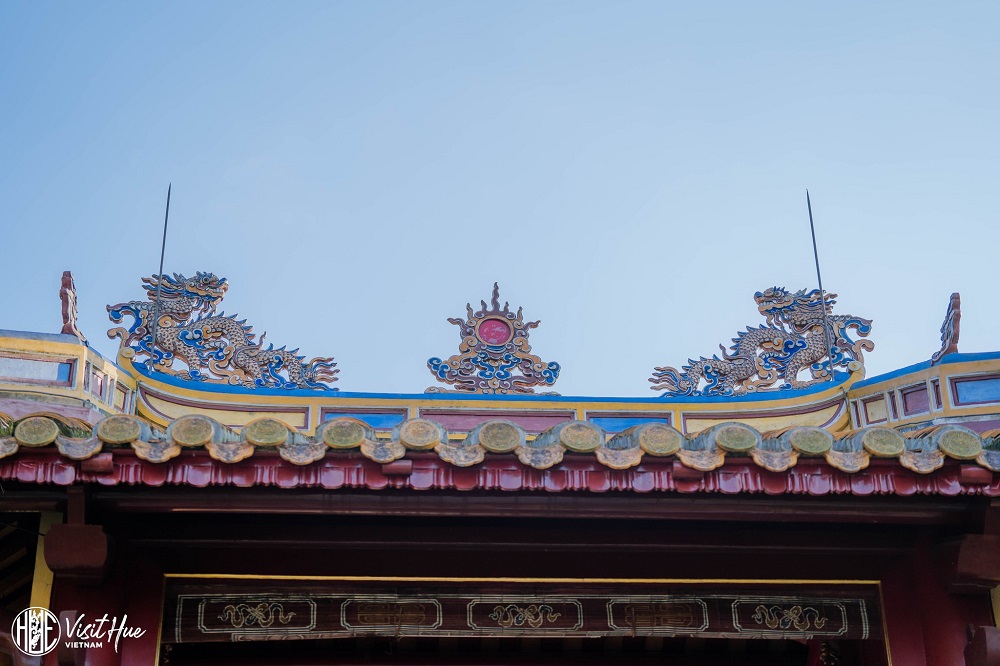
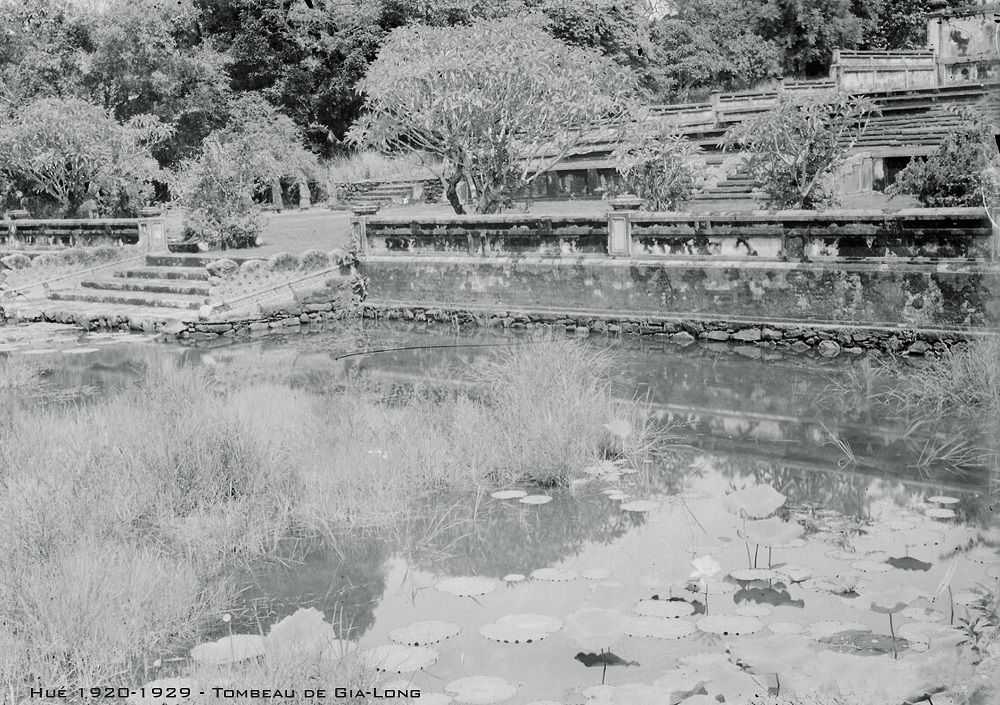
To the left of the mausoleum is Bi Đình, which is a large stele house inscribing the epitaph "Thánh Đức Thần Công" by King Minh Mạng. It is intricately and sharply carved, highlighting the admiration and praise for his father (King Gia Long). Gia Thành Palace was built with a similar architecture to Minh Thành Palace and was dedicated to honoring the great woman of King Minh Mạng (the most talented king of the Nguyễn Dynasty) - Empress Thuận Thiên. The high rectangular wall built of bricks around the Gia Thành Palace, along with the two-story three-door gate, contributes to the overall appeal of the palace. In front of the door is a system of Thanh stone steps carved in the shape of a dragon, connecting the courtyards and the lake’s bank.
King Gia Long Mausoleum is a harmoniously wonderful blend of nature and architecture, in which nature is the main factor creating the grandeur of the landscape. Visitors can immerse themselves in a quiet yet poetic atmosphere to reflect upon the life, achievements, and challenges, as well as the glory and humiliation associated with the first king of the Nguyen Dynasty.
► Address: Thiên Thọ Mountain, Hương Thọ Commune, Hương Trà District, Thừa Thiên Huế Province.
► Entrance ticket: 150,000 VND for adults, and children (7 to 12 ages) are free.
Photo credit: Nguyễn Phúc Bảo Minh, Lê Đình Hoàng and Internet sources








 Tin liên quan


)